Why Digital Marketing Is Important ?
The Secret Behind Modern Business Growth :
Think about your daily routine, you search Google before buying, check Instagram for reviews, watch YouTube tutorials, and compare prices online. Your customers are doing the same. In today’s digital-world, where shopping, learning, and business networking all happen online, businesses that stay visible on the internet attract attention, build trust, and generate consistent sales, while those that don’t miss valuable opportunities. This clearly shows the growing importance of digital marketing, which is no longer optional but essential for anyone who wants to grow in today’s competitive market.
In this digital marketing article, we will cover:
- What digital marketing is
Why digital marketing is important
Key benefits of digital marketing
Major types of digital marketing
How businesses can get started with digital marketing
Tools and platforms that strengthen digital marketing efforts
What Is Digital Marketing?
It simply means promoting products or services using online channels such as search engines, social media platforms, websites, email, and mobile applications. Instead of relying only on traditional advertising like newspapers, hoardings, or TV commercials, businesses use digital platforms to reach customers where they spend most of their time online.It allows businesses to talk directly to customers, understand their interests, and show them ads or content that match their needs.
One of the biggest advantages of digital marketing is that it is more affordable, measurable, and flexible compared to traditional marketing. Businesses can track how many people saw their ad, clicked on it, or made a purchase, and then improve their strategy based on real results.
Why Digital Marketing Is Important Today ?
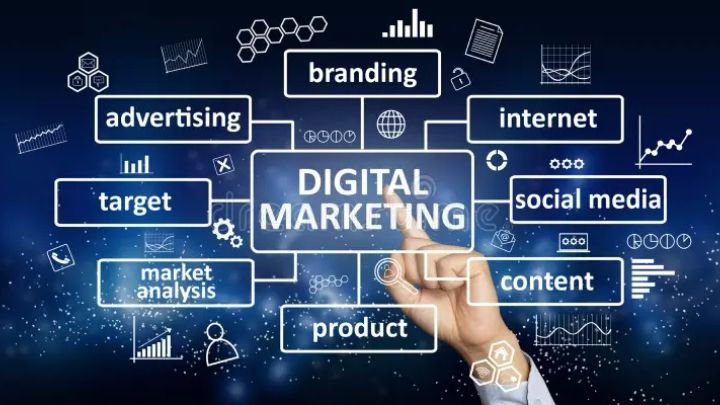
1.Your Customers Are Already Online: Grow Your Business with Digital Marketing
Billions of people use the internet daily to search for information, compare products, and read reviews before purchasing. If your business does not appear online, potential customers may choose competitors who are easier to find.
Example:
A local café that lists itself on Google Maps and regularly posts menu updates on Instagram often attracts customers searching “coffee near me.”
2.Cost-Effective Digital Marketing for Small and Large Businesses
Traditional advertising can be expensive and often difficult to measure. It allows businesses to start small, test campaigns, and increase spending only when results are positive.
Example:
A clothing store running a ₹500-per-day social media advertisement can reach thousands of nearby customers something that would cost much more using print advertising.
3.Highly Targeted Audience Reach with Digital Marketing
One major advantage behind the importance of digital marketing is precise audience targeting. Businesses can show advertisements only to people based on location, interests, age group, profession, or purchasing behaviour. This ensures that marketing budgets are spent on the right audience.
Example:
A gym can display ads only to people aged 20–40 living within 5 km who have shown interest in fitness-related content, increasing membership inquiries.
4.Measurable Results and Better Decision-Making with Digital Marketing
Digital platforms provide real time performance data such as website visits, ad clicks, engagement rates, and sales conversions. Businesses can quickly identify which strategies work and improve campaigns instantly.
Example:
If an advertisement receives many clicks but few purchases, the company can adjust pricing, offers, or landing pages without waiting weeks to evaluate results.
5.Build Brand Awareness and Trust with Digital Marketing
Customers trust brands they see regularly online. Consistent posting, helpful content, and positive customer reviews create familiarity and credibility over time.
Example:
An interior designer who consistently shares home makeover videos and design tips on social media becomes the first choice when followers plan renovation projects.
6.Digital Marketing Helps Small Businesses Compete with Big Brands
It creates a level playing field. A small start-up with creative content and smart targeting can compete with large companies without massive advertising budgets.
Example:
Many handmade product sellers built successful businesses through Instagram Reels, WhatsApp promotions, and influencer collaborations without opening physical stores.
7. Encourage Customer Engagement and Long-Term Relationships with Digital Marketing
Unlike traditional marketing, digital platforms allow direct interaction. Businesses can reply to comments, respond to queries instantly, and maintain relationships through emails or social media updates.
Customers who feel heard and valued are more likely to return and recommend the brand to others.
Real-Life Mini Case Studies

Case Study 1: Local Bakery Growth Through Social Media Digital Marketing
A neighborhood bakery began posting daily cake photos and short baking videos on Instagram. Within six months, followers increased significantly, and custom cake orders doubled. Without spending heavily on advertising, the bakery expanded purely through digital visibility.
Case Study 2: Home Service Business Growth Using Search Ads and Digital Marketing
A home cleaning service started running Google Ads for keywords like “home cleaning near me.” Because the ads appeared exactly when people searched for cleaning services, bookings increased quickly and consistently.
Benefits of Digital Marketing for Small Businesses and Individuals
For Small Businesses
Reach local customers quickly
Promote offers instantly
Increase sales with controlled budgets
Compete with larger companies
For Individuals and Professionals
Build personal brands through LinkedIn, YouTube, or blogs
Generate freelance or consulting opportunities
Sell online courses or digital products
Gain global professional visibility

Today, many professionals grow successful careers simply by sharing valuable knowledge online.
Why Businesses Cannot Ignore Digital Marketing Anymore
Customer behaviour has changed dramatically. Before purchasing anything from electronics to travel packages people research online. Businesses that do not maintain a digital presence often lose customers to competitors who appear first in search results or social media feeds.
Digital marketing Companies that invest in online visibility, customer engagement, and targeted advertising consistently achieve faster growth.
Major Types of Digital Marketing
1. Search Engine Optimization (SEO)
SEO is the process used to rank our webpages on Google.
Types of SEO
1. On-Page SEO
Content Optimization, Keyword Usage, Meta Tags, Internal Linking, Readability
2. Off-Page SEO
Backlinks, Social Signals, Guest Posting, Brand Authority
3. Technical SEO
Site Speed, Mobile Optimization, Crawl Fixes, Site Structure
4. Local SEO
Local Keywords, Google Profile, Reviews, Location Targeting
2. Content Marketing
Content marketing is all about attracting customers by sharing useful and interesting content instead of directly selling to them. It includes blogs, videos, social media posts, emails, and infographics that educate, inform, or solve problems for your audience.
When you provide valuable content, people start trusting your brand. Over time, that trust turns into loyalty and sales. In simple words, content marketing means helping first and selling later.
3. Social Media Marketing
Social Media Marketing is the process of promoting your business through social media platforms like Instagram, Facebook, LinkedIn, and Twitter. It helps brands connect directly with their audience, share updates, promote products, and build a strong online presence.
Through posts, stories, reels, ads, and customer interaction, businesses can increase brand awareness, generate leads, and drive sales. In simple words, social media marketing is about using social platforms to grow your brand and build relationships with your customers.
4. Email Marketing
Email marketing is a powerful way to connect with your customers directly through their inbox. It involves sending emails to promote products, share updates, offer discounts, or provide valuable information. Unlike social media, where your message may get lost, email allows you to communicate personally with your audience.
Businesses use email marketing to build strong relationships, stay in touch with customers, and encourage repeat purchases. When done correctly, it feels less like advertising and more like helpful communication. In simple words, email marketing is about building trust and boosting sales through smart and meaningful emails.
Benefits:
- Direct communication
- High personalization
- Automation
- Strong conversion rates
Effective email marketing requires:
- Quality email list
- Clear segmentation
- Engaging subject lines
- Valuable content
Conclusion
The world is more connected than ever, and the importance of digital marketing continues to grow. Businesses and individuals who embrace digital strategies early build stronger brands, reach wider audiences, and create lasting customer relationships. You don’t need a huge budget to start a simple website, consistent social media posts, or a targeted ad can spark real growth. Digital marketing is the backbone of modern business success, blending strategy, creativity, data, and technology to connect brands with the right audience. With clear goals, audience understanding, smart use of multiple channels, and continuous learning, anyone beginner or experienced can unlock powerful growth opportunities.